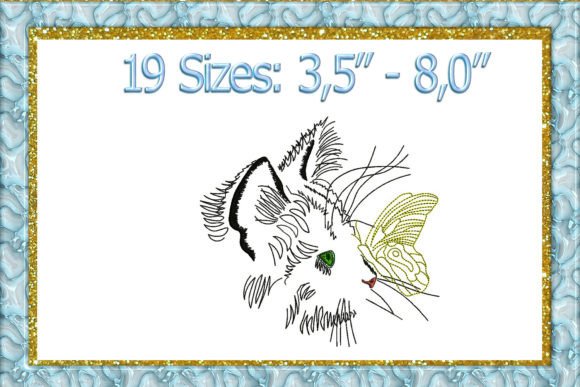
Cat Drinking Wine Embroidery
First Impression: Playful, Polished, and Instantly Relatable
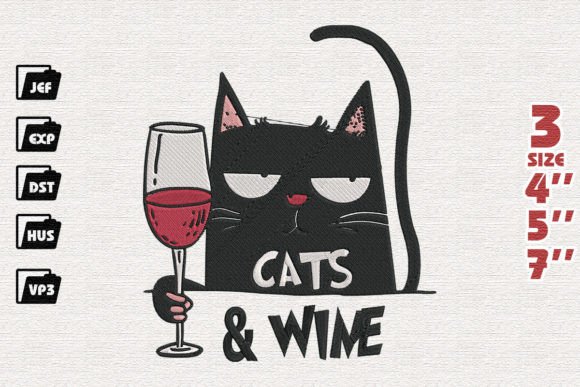
As an embroidery designer who’s prepped over 200 craft fair booths—and watched thousands of shoppers pause at a single stitch—I’ll say it straight: Cat Drinking Wine Embroidery lands with charm and clarity. It’s not overly cutesy or sarcastic; it’s warm, witty, and quietly confident—like a well-curated boutique shelf. The title alone signals personality without shouting. That balance is gold for handmade markets, where customers scan fast but buy emotionally. It reads as modern-farmhouse meets urban whimsy: soft enough for a linen tea towel, bold enough for a denim tote, and clever enough to spark conversation at a booth.
Where Cat Drinking Wine Embroidery Shines on Craft Fair Products
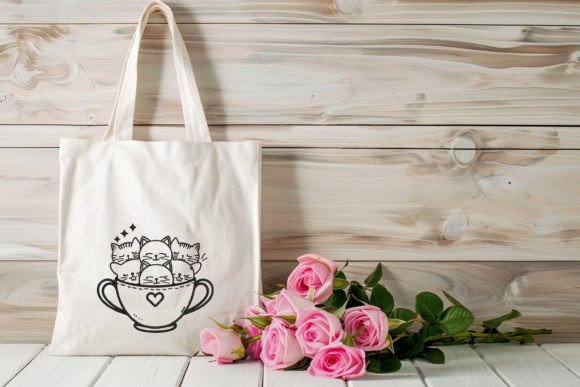
This design thrives where personality meets practicality. On tote bag designs, it anchors the front panel beautifully—large enough to read from three feet away, small enough to avoid overwhelming the fabric. As apron embroidery, it works perfectly above the pocket or centered on the bib: approachable, gender-neutral, and instantly memorable. For tea towel embroidery, I recommend placing it in the lower corner—just large enough to catch the eye while leaving room for texture and function. It also translates exceptionally well to embroidered patches: clean lines hold up through washing, and the motif lends itself to iron-on or sew-on versatility for Etsy sellers bundling kits.
On curved surfaces like caps, test placement carefully—the cat’s head and wine glass must sit cleanly across the dome. Avoid stretching the design too wide; a slightly scaled-down version often reads sharper. For pillow covers and small pouches, use it as a focal accent—not filler. A single 3.5"–4" rendition on a cream linen pillow cover feels premium; oversized on thin cotton can flatten the charm. And yes—it makes a standout craft fair product when stitched onto reusable market bags or ceramic-coated canvas totes: functional, giftable, and photo-ready.
Production Realities: What Works (and What Needs Caution)
Cat Drinking Wine Embroidery is highly legible at a glance—no decoding required. That’s critical when your booth has 12 seconds to make an impression. It scales well: effective as a 2.2" accent on a patch or a 5.5" statement on a sweater back. But caution points matter. If the embroidery file includes fine details—like delicate wine stem lines or tiny paw pads—those may blur on textured towels or heavy twill. Likewise, dense stitch areas near the wine glass rim or cat’s whiskers demand proper stabilizer on lightweight fabrics. Always run a test on scrap fabric matching your final product’s fabric texture and weight.
Dark fabric? Confirm thread contrast—especially for subtle shading in the cat’s fur or wine hue. Light threads on black denim can vanish unless you’ve chosen high-contrast thread colors. And if the design includes lettering (e.g., “Cheers” or “Meow & Merlot”), verify readability at 2.5". Tiny script loses impact on aprons or caps. Also: check hoop size compatibility early. A design that requires a 6x10 hoop won’t fit many home embroidery machines’ standard hoops—limiting batch production for small shop owners.
Visual Impact & Booth Strategy
In person, Cat Drinking Wine Embroidery draws attention without competing. It pairs effortlessly with neutral palettes—cream, oat, charcoal, olive—making it easy to integrate into cohesive booth displays. Unlike ultra-busy motifs, it leaves breathing room for other handmade products. When grouped with botanical prints or minimalist monograms, it adds warmth and wit—balancing sophistication with approachability. Customers consistently linger longer when they see humor grounded in craftsmanship, and this design delivers exactly that.
For Etsy sellers, it photographs cleanly: natural light highlights stitch texture, and the subject invites lifestyle shots (e.g., embroidered tote beside a wine glass and cheese board). Pair it with a printable mockup showing three real-world applications—tote, tea towel, and patch—to boost conversion. As a small shop product, it elevates perceived value: buyers associate thoughtful embroidery with care, quality, and intention—key drivers for handmade pricing.
Designer Notes You Can’t Skip
- Test before you commit: Stitch Cat Drinking Wine Embroidery on actual fabric—not just stabilizer—using your intended thread colors and machine settings.
- Review spacing and density: Overlapping stitches in tight curves (like the wine glass base) can cause puckering on stretchy or thin fabrics. Adjust underlay or reduce density if needed.
- Confirm commercial licensing: Since this is a digital embroidery file, verify whether the license permits resale of finished products—essential for craft fair vendors and wholesale partners.
- Create at least one real mockup: A physical embroidered tote bag speaks louder than ten digital renders. Use it as your booth hero piece.
- Compare fabric colors: A warm beige linen vs. cool ivory cotton changes how the cat’s gray tones read—adjust thread selection accordingly.
- Check file formats included: Ensure your machine supports the provided embroidery file types (e.g., PES, DST, JEF) before purchasing or listing.
Final Thought: A Smart, Scalable Handmade Asset
Cat Drinking Wine Embroidery isn’t just another machine embroidery design—it’s a versatile, mood-enhancing design asset that supports multiple revenue streams: physical goods, digital bundles, workshop kits, and even printable packaging labels. It fits seamlessly into collections themed around pets, self-care, slow living, or celebration. For creative entrepreneurs, it checks every box: recognizable, reproducible, photograph-friendly, and emotionally resonant. In a crowded craft fair landscape, it doesn’t shout—but it smiles, winks, and gets remembered. And that’s how handmade products turn first-time buyers into repeat fans.