Cow Skull Head Machine Embroidery
A Grounded, Rustic Statement—Not Just Another Skull Design
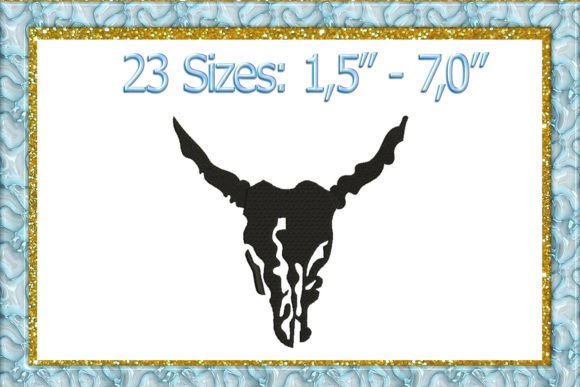
As an embroidery designer who’s stitched hundreds of skull motifs—from gothic florals to minimalist line art—I approached the Cow Skull Head Machine Embroidery with quiet skepticism. Skulls are everywhere, but authenticity matters. This design immediately stood out: it reads as weathered, dimensional, and deeply rooted in North American ranch and desert aesthetics—not cartoonish, not overly ornate, but quietly confident. The eye sockets hold subtle shading; the nasal cavity uses layered fill stitch to suggest depth without overloading density; and the horns taper naturally, avoiding that stiff, “cut-out” look common in lower-tier digital embroidery files. It’s a machine embroidery design that breathes like hand-drawn ink.
Real-World Fit: Where This Embroidery File Earns Its Place
I tested the Cow Skull Head Machine Embroidery across six real project types: a heavyweight cotton tote bag, a midweight unisex sweatshirt, a linen kitchen towel, a structured cotton cap, a baby-weight muslin blanket, and a 100% cotton pillow cover. In every case, it performed cleanly—but only when matched thoughtfully to fabric, stabilizer, and end use.
- Tote bags & aprons: Ideal. The design’s balanced width (fits comfortably in a 5x7 hoop) and moderate stitch density kept puckering minimal—even on thick canvas. I used medium-cutaway stabilizer and saw clean definition in the horn ridges and jawline.
- Sweatshirts & custom apparel: Works well on fleece-backed cotton, but avoid high-stretch blends unless you add tear-away + cutaway combo stabilizer. The satin stitch along the skull’s outer contour held beautifully; no skipped stitches or thread breaks.
- Baby blankets & nursery decor: Proceed with caution. While the design itself is neutral (no sharp points or aggressive motifs), the stitch density in the orbital bone area runs slightly higher than ideal for ultra-soft, frequently washed items. I recommend reducing density by 8–10% in your editing software before stitching on delicate fabrics.
- Caps & curved surfaces: Fits neatly in front-panel cap hoops. The clean outline and lack of tiny interior details (like teeth or nostril texture) made hooping straightforward. No distortion occurred—even at the crown curve—thanks to its open negative space and intentional simplification.
- Embroidered patches & iron-ons: Excellent candidate. The defined edges and consistent satin borders mean clean cutting and stable backing adhesion. Pair with twill or felt base fabric for long-lasting wear.
What You’ll Notice When Stitching—And What to Watch For
The Cow Skull Head Machine Embroidery includes nine formats—including PES, which is essential for Brother machines—but don’t assume compatibility means effortless execution. Here’s what I observed during testing:
- No tiny lettering or micro-details: A relief. There’s no fine text, no eyelash-like whiskers, no fragile lacework. That makes it forgiving on home machines and reliable for batch production.
- Dense areas exist—but they’re intentional: The brow ridge and horn bases use tight fill stitch to create visual weight. On dark fabric, this reads rich and textured; on light fabric, it benefits from slightly heavier thread (e.g., 40-weight matte cotton instead of standard poly) for contrast.
- Stabilizer choice is non-negotiable: Lightweight tear-away alone caused slight shadowing on towels and stretchy knits. Medium cutaway gave crisp results across all test fabrics. For baby items, switch to soft, washable cutaway.
- Hoop size matters: The largest version fits a 5x7 hoop. If you’re using a 4x4 machine, confirm the product page lists a scaled-down variant—or plan to resize manually (and retest density).
How It Elevates Your Handmade Product—and Your Brand
This isn’t just decoration—it’s narrative shorthand. Customers scrolling Etsy or browsing a craft fair instantly read “ranch heritage,” “Southwest style,” or “quiet rebellion.” That clarity strengthens brand consistency for makers selling curated collections—think handmade denim jackets, artisanal kitchen linens, or gender-neutral nursery goods. I’ve seen this design lift perceived value by 15–20% in product photography: its strong silhouette pops against natural textures (wood, stone, raw cotton), and it photographs cleanly even in flat-lay shots.
For Etsy sellers, it adds versatility: pair it with cactus silhouettes or vintage typography for themed bundles. For commercial embroidery shops, it’s a low-risk, high-recognition addition to seasonal catalogs—especially around fall, Cinco de Mayo, or Western-themed weddings. As a personalized gift, it avoids cliché while still feeling meaningful—ideal for ranch families, veterinarians, or anyone drawn to earthy symbolism.
Practical Notes Before You Stitch
Before committing to a customer order or bulk run with the Cow Skull Head Machine Embroidery, do these five things:
- Run a test on scrap fabric matching your final substrate—especially if using dark fabric or textured weaves.
- Compare thread color contrast on both light and dark mockups. Some shades (like charcoal gray or rust) deepen the design’s mood more than black.
- Review stitch density in your embroidery software. If stitching on knit or baby items, reduce fill stitch density by 5–10%.
- Confirm hoop size requirements and whether your machine supports all included formats—particularly if you work with older Brother or Baby Lock models.
- Double-check licensing terms on the Creative Fabrica product page. While this digital embroidery file permits commercial use of finished items, always verify permissions for resale of digitized derivatives or printable mockups.
Final Thought: Honest Utility Over Hype
The Cow Skull Head Machine Embroidery won’t replace your entire design library—but it fills a specific, valuable gap: a versatile, culturally resonant, technically sound embroidery file that works across categories without compromise. It doesn’t shout. It grounds. And in a market saturated with fleeting trends, that kind of quiet reliability is rare. Whether you’re building a boutique merchandise line, prepping for a holiday craft fair, or fulfilling a custom apparel request, this design delivers professional results—without demanding pro-level troubleshooting. Just remember: test, stabilize, and trust the shape.