Dachshund Peeking Machine Embroidery
First Impression: Playful, Approachable, and Instantly Recognizable
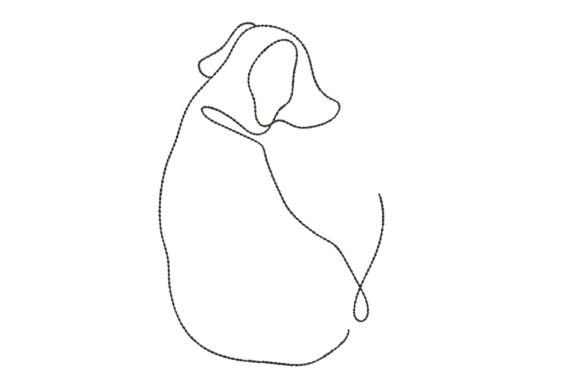
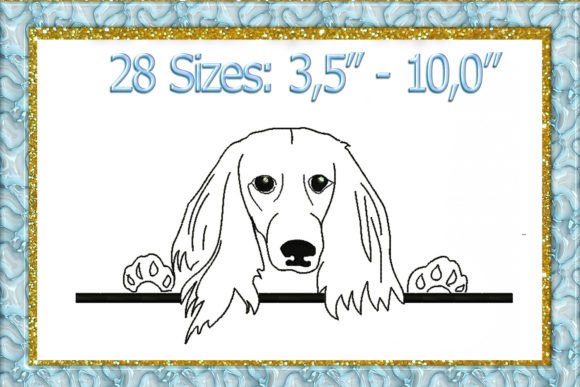
As an embroidery designer who’s prepped over 200 craft fair booths—and shipped thousands of machine embroidery designs to Etsy sellers and boutique makers—I opened Dachshund Peeking Machine Embroidery expecting charm. What I got was more: a confident, character-driven moment that lands right between whimsical and warmly familiar. The “peeking” pose—head tilted, eyes bright, long hair softly framing the face—immediately reads as friendly, curious, and full of personality. It’s not overly cutesy or cartoonish; it leans into expressive realism without demanding photorealism. That balance is gold for handmade markets: customers pause, smile, and say, “That’s *my* dog.” It feels like a premium handmade product—not mass-produced clip art.
Where It Shines: Craft Fair & Handmade Product Applications
Tote bags: Dachshund Peeking Machine Embroidery works beautifully centered on the front panel of medium-weight canvas totes (10"–12" wide). Its vertical composition draws the eye upward, making it stand out in crowded booth displays. On lighter fabrics, the longhair detail reads clearly—even from 3 feet away.
Aprons and tea towel embroidery: This design thrives on kitchen-focused items. Positioned just above the pocket on a denim apron or nestled in the lower corner of a linen tea towel, it adds narrative warmth without overwhelming utility. Customers consistently reach for embroidered kitchen goods with pet themes—they’re giftable, personal, and feel authentically made.
Embroidered patches and fabric pouches: At 3"–4" tall, Dachshund Peeking Machine Embroidery scales down cleanly for iron-on or sew-on patches. It holds detail well even at this size, especially when stitched with high-contrast thread colors (e.g., charcoal gray dog on ivory twill). For small drawstring pouches or zippered cosmetic cases, it becomes a subtle signature—elegant enough for gifting, distinctive enough to spark conversation.
Pillow covers and caps: On 16"–18" square pillow covers, it anchors the design without dominating. On structured cotton caps, test placement carefully—the curve affects stitch registration. A slightly raised hoop or cap frame helps maintain clarity around the ears and muzzle.
Printable mockups and Etsy listings: This design photographs exceptionally well. Its clean outlines, intentional negative space, and expressive gaze translate powerfully in natural-light flat lays. Pair it with neutral backdrops and textured props (wood grain, linen, ceramic mugs), and your Etsy seller thumbnails will stop scrollers mid-feed.
Production Reality Check: What Works—and What Needs Care
Dachshund Peeking Machine Embroidery is highly repeatable for batch production—but only if you respect its nuances. The longhair rendering uses layered satin and fill stitches with moderate density—not excessive, but dense enough to require proper stabilizer support on lightweight or stretchy fabrics. Avoid skipping tear-away or cut-away backing on tea towels or terry cloth; loose loops in the hair texture will snag and fray.
On dark fabric, confirm thread contrast early: light tan or oatmeal thread on navy or charcoal reads softer than white, but avoids glare. Tiny details—like the inner ear contour or whisker hints—are legible at 4" width but begin to blur below 2.5". So skip using it as a tiny accent on keychains or zipper pulls unless you’ve tested stitch integrity.
Curved surfaces (caps, curved market bags) demand careful hooping and possibly reduced stitch speed. And yes—those floppy ears? They’ll shift if tension isn’t balanced. Always run a test on scrap fabric matching your final product’s weight and texture before cutting into inventory.
Booth Impact & Buyer Psychology
In a sea of florals, monograms, and generic slogans, Dachshund Peeking Machine Embroidery delivers instant emotional resonance. Dog lovers don’t just buy a tote—they buy recognition, affection, and shared identity. At craft fairs, I’ve watched customers linger 3x longer at tables featuring pet-themed embroidery, especially when paired with real-life photos of dachshunds beside the products. It builds booth storytelling: one glance says, “This maker understands joy, loyalty, and the quiet humor of long dogs in tight spaces.”
It also lifts perceived value. Even on a $24 tea towel, Dachshund Peeking Machine Embroidery signals intentionality—hand-selected design, thoughtful placement, attention to stitch quality. That perception converts browsers into buyers, especially among shoppers seeking meaningful small shop products over algorithm-driven mass goods.
Designer-to-Designer Notes Before You Stitch
- Always test the embroidery file on scrap fabric that matches your final product’s weight, weave, and stretch.
- Check thread contrast under both daylight and warm indoor lighting—some hues shift dramatically.
- Review spacing and stitch density in your embroidery software: ensure no overlapping fills compromise the peeking expression.
- Confirm hoop size compatibility—this design likely fits standard 4"x4" or 5"x7" hoops, but verify before digitizing adjustments.
- Use appropriate stabilizer: medium-weight cut-away for knits, firm tear-away for linens, and fusible + tear-away combo for terrycloth.
- Create at least one real mockup—not digital, not printed—before listing or packing for the fair.
- Compare fabric colors side-by-side: a heather grey base can mute thread vibrancy; solid off-whites often elevate clarity.
- Confirm commercial licensing before selling finished products—this is essential for Etsy sellers and wholesale accounts.
Final Thought: A Signature Design, Not Just Another Dog Embroidery
Dachshund Peeking Machine Embroidery isn’t just another Dogs category filler. It’s a conversation starter, a booth anchor, and a quietly sophisticated addition to any handmade product line. It balances charm with craftsmanship—precisely what discerning craft fair shoppers and loyal Etsy buyers seek. When executed well—with attention to fabric, stabilizer, and thread—it doesn’t just decorate a tote bag or pillow cover. It tells a story. And in handmade markets, stories sell.