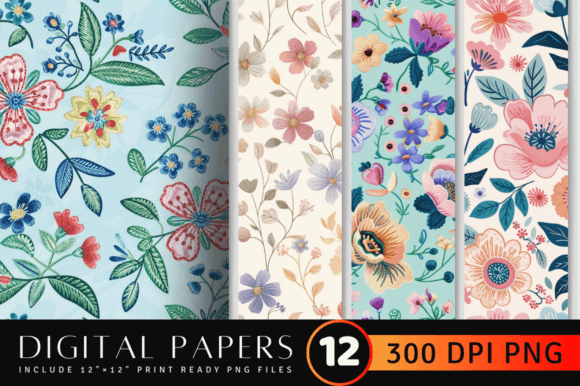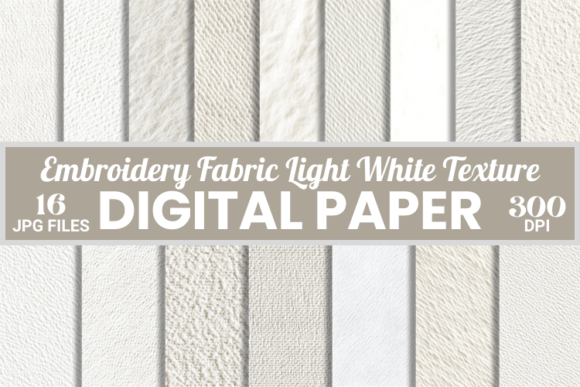
White Embroidery Fabric Pattern Backgrou
As an embroidery designer and product reviewer, I’ve seen my fair share of patterns and digital files. But when I came across the White Embroidery Fabric Pattern Backgrou, I wanted to take a closer look at how it would hold up in real-world use. This is not just another generic design—it has a distinct visual personality that could work well in a range of projects. Let’s break it down.
The First Impression: A Subtle, Elegant Foundation
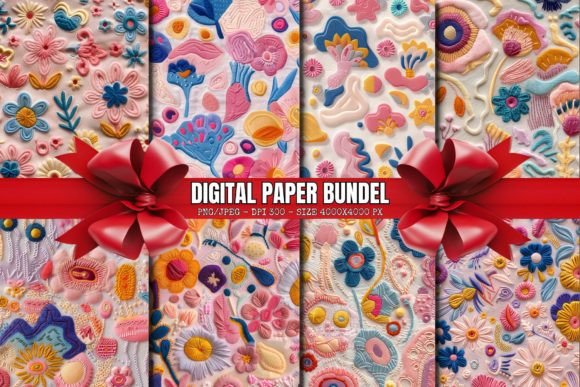
From the moment I opened the file, I noticed the soft, light pastel white texture that gives this design a clean, airy feel. It’s not overly ornate, but it has enough detail to add character without overwhelming the fabric. The pattern feels like it was made for subtle, elegant projects—think baby clothes, holiday gifts, or personalized items that need a touch of sophistication.
The layout is seamless and repeatable, which makes it ideal for larger pieces like tote bags or pillow covers. It doesn’t scream for attention, but it also doesn’t fade into the background. It’s the kind of design that complements the fabric rather than competes with it.
Real-World Use: Where It Shines and Where It Might Struggle
I tested the White Embroidery Fabric Pattern Backgrou on a few different fabrics to see how it performed. On a cotton tote bag, it looked great—clean, clear, and easy to stitch. The stitch density wasn’t too heavy, so it didn’t cause any puckering or distortion. It worked well with a standard hoop size, making it accessible for most home embroiderers.
However, I noticed that on thinner or stretchy fabrics, the design could be a bit tricky. The pattern has some intricate details that might not translate well if the fabric isn’t stable. I’d recommend using a good stabilizer, especially if you’re working with something like a t-shirt or a thin sweatshirt.
For baby items, like onesies or blankets, the design could be perfect. Its soft appearance fits well with the gentle aesthetic of nursery decor. But if you're planning to use it on a dark fabric, you’ll need to adjust your thread colors carefully. The white texture might not show up as clearly as you’d hope.
Design Considerations: What to Watch For
One thing to keep in mind is that this design isn’t ideal for small hoop sizes. If you’re trying to fit it into a tiny hoop, you might end up with gaps or misaligned stitches. It’s better suited for medium to large hoops, where the full pattern can be stitched without interruption.
Also, if you’re planning to use this as an applique design or incorporate it into a layered garment, you’ll want to test it first. The pattern has some delicate elements that could get lost if not handled properly. Similarly, if you’re stitching on curved surfaces like caps or hats, the design might not lay flat as intended.
Another consideration is the stitch density. While it’s not overly dense, it still requires a bit of care to ensure that the fabric doesn’t pucker. I’d suggest doing a test run on scrap fabric before committing to a final project.
Visual Appeal and Customer Perception
When it comes to customer reaction, the White Embroidery Fabric Pattern Backgrou has a quiet charm that could appeal to a wide audience. It’s not flashy, but it’s refined. That makes it a solid choice for handmade products that aim for a polished, professional look.
For Etsy sellers or small shop owners, this design could help elevate the perceived value of your products. It adds a level of detail that customers might not expect from a basic embroidered item. Plus, its versatility means it can be used across multiple product lines—tote bags, sweatshirts, baby clothes, and more.
But don’t expect it to be a crowd-pleaser in every situation. If you’re going for bold, eye-catching designs, this might not be the right fit. It’s more about subtlety and elegance than drama.
Practical Tips for Designers and Sellers
If you’re an embroidery designer or a craft business owner looking to use this pattern, here are a few tips:
- Test it first: Always try the design on a scrap piece of fabric before using it on a client’s project or your own product.
- Check thread contrast: Make sure the thread color you choose complements the fabric and doesn’t clash with the pattern.
- Review stitch density: Ensure the design isn’t too dense, especially if you’re working with delicate or stretchy materials.
- Confirm hoop size: Don’t force the design into a small hoop—this could lead to stitching issues.
- Inspect small details: Some areas of the pattern have fine lines or textures that might not show up well in certain lighting or fabric types.
- Use black and white mockups: Test the design in different color schemes to see how it looks on various backgrounds.
Also, if you plan to sell finished products or digital files, make sure to check the licensing terms. Even though this is a graphics product, you don’t want to run into legal issues down the line.
Final Thoughts: A Versatile, Quietly Effective Design
The White Embroidery Fabric Pattern Backgrou is a solid choice for designers who want a clean, elegant base for their embroidery projects. It works well on a variety of fabrics and can be adapted for both personal and commercial use. However, it’s not a one-size-fits-all solution.
If you’re looking for something that adds subtle sophistication without overwhelming the fabric, this design could be a great addition to your library. Just be mindful of the limitations and test it thoroughly before using it in a final project.