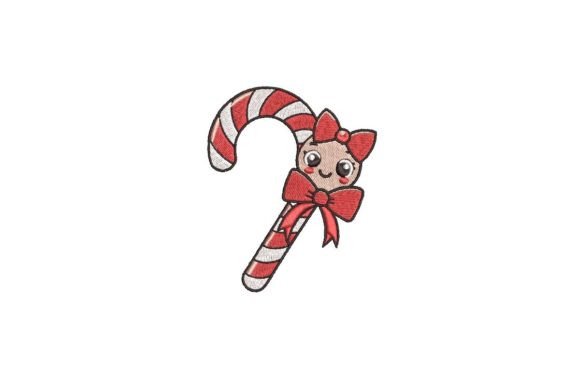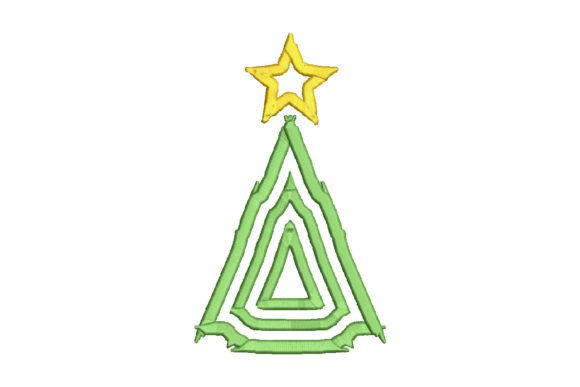
Winter Vibes Machine Embroidery Design
A Craft Fair Designer’s Real-World Review Before Booth Day
As an embroidery designer who’s shipped over 200 craft fair seasons—and still hand-stitches my own booth banners—I opened Winter Vibes Machine Embroidery Design with one question: Will this stop someone mid-aisle? The answer? Yes—but only if placed right. This isn’t a flashy, glitter-bursting Christmas design. It’s warm, approachable, and quietly confident: think joyful but not loud, charming but not cutesy, festive without leaning into cliché. It lands somewhere between modern farmhouse and soft holiday—ideal for buyers who love handmade charm but skip the tinsel overload.
Where Winter Vibes Machine Embroidery Design Shines on Craft Fair Products
On a crowded table full of embroidered goods, Winter Vibes Machine Embroidery Design earns attention by balancing simplicity and personality. Here’s how it performs across key craft fair staples:
- Tote bag design: Perfect as a centered chest or lower-corner accent. The composition reads clearly even from six feet away—no squinting needed. Works beautifully on natural canvas, oat linen, or medium-weight cotton duck.
- Apron embroidery: Ideal above the pocket or along the waistband curve. Its gentle scale avoids overwhelming the apron’s functional shape while adding instant handmade appeal.
- Tea towel embroidery: A standout on flour-sack or waffle-weave towels. The design’s open spacing breathes well on textured fabric—no stitch drowning in ridges.
- Embroidered patch: Holds crispness when heat-applied or sewn on. Clean outlines and moderate detail mean it won’t blur at 3–4 inches wide—a sweet spot for lapel or bag embellishment.
- Fabric pouch & pillow cover: Scales elegantly up to 5.5" without looking pixelated or dense. Great for gifting—it feels intentional, not generic.
- Caps & curved surfaces: Use caution. If the design includes fine interior lines or tight lettering, those elements may distort on structured caps. Stick to flat-front panels or low-crown beanies.
What Makes This Design Sell—And What Requires Care
Winter Vibes Machine Embroidery Design succeeds because it’s instantly legible, emotionally resonant, and production-friendly. At a glance, customers “get it”: winter joy, handmade warmth, subtle holiday spirit. That clarity translates directly to faster decisions at craft fairs—and higher conversion on Etsy listings where scroll speed is ruthless.
But clarity doesn’t mean zero risk. As a working embroidery designer, I always check these before cutting fabric:
- Dense stitch areas: If the file includes snowflakes, layered branches, or bundled lettering, confirm stitch density isn’t spiking past 12,000 stitches per square inch—especially for tea towel embroidery or lightweight aprons.
- Tiny details: Delicate stems, thin icicles, or micro-lettering may vanish on dark fabric or coarse weaves. Always test on your *exact* base fabric—not just muslin.
- Thread colors: The charm of Winter Vibes Machine Embroidery Design lives in contrast—cream on charcoal, navy on ivory, forest green on oat. Avoid matching thread to fabric; let it whisper, not disappear.
- Hoop size & stabilizer: Don’t assume. Even “medium” designs can push 6x10 hoops. Pair with cutaway stabilizer for knits or tear-away for stable wovens. Skip fusible web alone—it won’t hold up under dense stitching.
Booth Impact, Brand Consistency, and Buyer Engagement
This isn’t just a machine embroidery design—it’s a mood-setter for your small shop product line. When stitched on three coordinated items (e.g., a linen tea towel, canvas market bag, and wool-blend pouch), Winter Vibes Machine Embroidery Design builds visual rhythm across your display. That cohesion tells customers: *This maker has intention. This is a collection—not just random crafts.*
At craft fairs, that consistency boosts booth dwell time. Shoppers linger when they see thoughtful repetition—same motif, different applications. And because the design feels premium but accessible, it lifts perceived value without raising price resistance. A $28 embroidered tote feels like a gift-ready handmade product—not a DIY afterthought.
For Etsy sellers and digital embroidery file shops: this design photographs exceptionally well. Its balanced negative space ensures clean backgrounds for printable mockups. No busy filler means your listing images stay focused, scannable, and mobile-friendly. Bonus: it’s highly repeatable for batch production—no re-hooping gymnastics or digitizing tweaks between runs.
Essential Embroidery Designer Notes Before You Stitch
Before turning Winter Vibes Machine Embroidery Design into finished product—or listing it as a commercial embroidery asset—do these five things:
- Run a test on scrap fabric *in your actual production setup*: same needle, same thread, same stabilizer, same hoop.
- Check thread contrast under both daylight and booth lighting—some creams turn yellowish under warm LEDs.
- Review spacing between elements. Tight clusters can pucker; generous gaps read as elegant, not empty.
- Confirm hoop size compatibility with your most-used machines—and verify no element extends beyond safe stitching margins.
- Verify commercial licensing terms. Even if labeled “for personal use,” many sellers miss that selling finished products requires explicit commercial permission.
Lastly: create *one real mockup*—not digital, not draped, but stitched, pressed, and styled on the exact item you’ll sell. That physical sample reveals what screenshots hide: how the design drapes on a curved tote handle, how thread catches light on a tea towel’s weave, whether the scale feels generous or lost on an apron bib.
Final Thought for Creative Entrepreneurs
Winter Vibes Machine Embroidery Design isn’t just another Christmas embroidery file. It’s a quiet workhorse—flexible enough for boutique makers, reliable enough for Etsy sellers, and expressive enough to carry your brand voice across home decor, apparel, and giftable handmade products. Used intentionally, it turns everyday objects into moments of seasonal warmth. And in a sea of mass-produced holiday noise? That’s exactly what makes a craft fair customer pause, smile, and reach for their wallet.