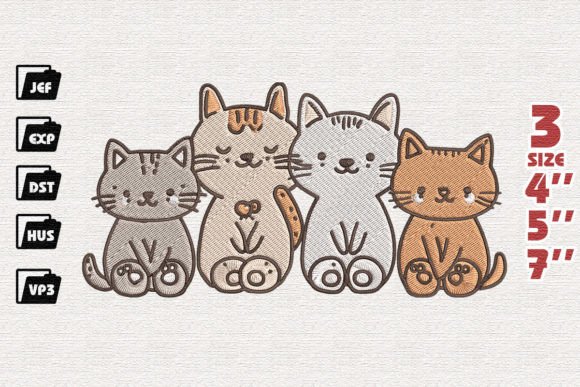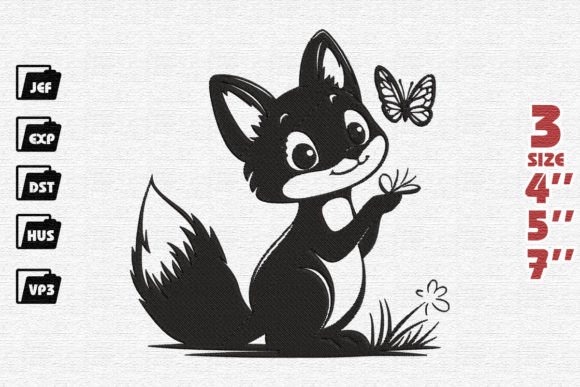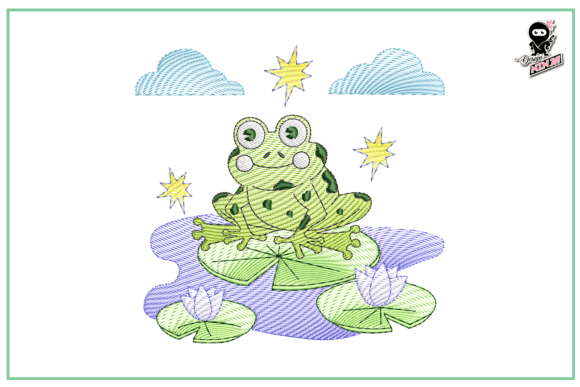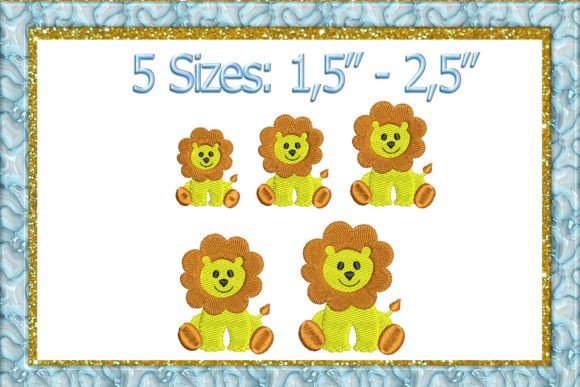
Cute Animals Family Embroidery
First Impressions: Joyful, Warm, and Instantly Relatable
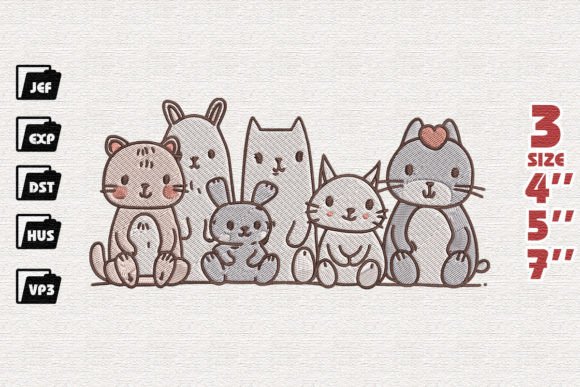
As an embroidery designer who’s tested hundreds of digital embroidery files for retail and custom work, I opened Cute Animals Family Embroidery expecting charm—and got genuine delight. The design radiates sweetness without tipping into cloying sentimentality. It feels handmade in spirit—soft curves, balanced spacing, and a gentle rhythm between animal silhouettes and implied family connection. There’s no heavy script or cluttered layout; instead, it leans into quiet storytelling: a fox, bear, bunny, and owl arranged like companions—not mascots, not characters, but quiet members of a shared, tender world. That emotional resonance is exactly what makes this more than decoration—it becomes a personalized gift anchor.
Where This Design Truly Shines (and Why Your Customers Will Love It)
Cute Animals Family Embroidery isn’t just versatile—it’s *strategically* adaptable across high-intent gifting categories:
- Baby embroidery: Perfect for onesies, burp cloths, and crib bumper alternatives—especially when paired with neutral linen or organic cotton. Parents respond to its gentle whimsy, not cartoon flash.
- Wedding gifts: Stitch it onto a linen tea towel, ceramic mug sleeve, or heirloom pillow cover for the couple who values warmth over formality. It subtly honors “family” without cliché.
- Nursery decor: Works beautifully on wall hangings, shelf banners, and blanket embroidery—its scale and clarity hold up even at 5–7 inches wide.
- Small shop products: As an Etsy seller or craft fair vendor, this design helps your handmade product stand out in search results for “personalized baby gift,” “family embroidery,” or “woodland nursery decor.”
- Everyday keepsakes: Think embroidered aprons for new grandparents, tote bags for sibling showers, or kitchen towels for housewarmings—the design carries meaning without demanding attention.
Smart Placement Matters: Know When (and Where) to Use It
This isn’t a one-size-fits-all embroidery file. To protect your reputation as a detail-oriented maker—and avoid customer disappointment—consider these real-world constraints:
- Small lettering or fine details? If the design includes names or dates, confirm whether those elements are part of the core file or meant to be added separately. Tiny script within the animal shapes may not resolve cleanly on dense terry cloth or stretchy interlock knit.
- Fabric texture is non-negotiable. Avoid using Cute Animals Family Embroidery on heavily textured weaves (like bouclé or thick waffle weave) unless you’ve tested stabilizer layers first. The soft outlines can blur.
- Dark fabric demands contrast checks. Light thread colors may lack definition on navy or charcoal. Always run a printable mockup side-by-side on light and dark backgrounds before stitching.
- Curved surfaces (mugs, bottles, curved pillow fronts) require repositioning or digitizing adjustments—this file is optimized for flat hooping. Don’t assume it will wrap seamlessly.
- Frequent washing? Prioritize stitch density. Review the embroidery file’s fill areas—if dense satin stitches dominate small animal bodies, they’ll hold up better on blankets than on thin cotton napkins.
How It Elevates Your Handmade Product—and Your Brand Trust
Customers don’t buy embroidery—they buy meaning, memory, and intention. Cute Animals Family Embroidery delivers that instantly. Its cohesive mood builds perceived value: a $28 embroidered towel feels like a curated gift, not a generic craft supply. For Etsy sellers, that translates directly to higher conversion—shoppers linger longer on listings where the design feels emotionally grounded. In product photography, it reads clearly even in lifestyle shots: soft focus on a nursery shelf, natural light on a folded blanket, steam rising from a freshly embroidered kitchen towel. That authenticity builds trust. When buyers see consistency between your brand voice (“gentle, timeless, family-centered”) and the actual finished product, they return—not just for the next gift, but for the feeling you reliably deliver.
Practical Embroidery Notes You Can’t Skip
Before stitching your first customer order, do these five things:
- Test on scrap fabric—not just the same fiber, but the exact weight and finish you’ll use. A swatch of bamboo jersey behaves very differently than Pima cotton poplin.
- Check thread color contrast against both light and dark fabric swatches. Even subtle shifts in tone affect legibility of delicate ears or paws.
- Confirm hoop size compatibility. If your machine uses smaller hoops (e.g., 4x4”), verify whether the full design fits—or if you’ll need to split or resize (which impacts proportion).
- Review stabilizer needs. Lightweight tear-away works for quilting cotton, but medium cut-away is safer for knits or towels. Don’t guess—check the file notes or contact the designer.
- Verify commercial licensing. Since you’re selling finished products—not just the embroidery file—ensure your purchase includes rights for resale. If unclear, reach out before listing.
Final Thought: A Design That Sells Itself—When Used With Intention
Cute Animals Family Embroidery won’t fix poor fabric choices or rushed testing—but in the hands of a thoughtful maker, it consistently lifts the entire customer experience. It’s the kind of machine embroidery design that starts conversations: “Oh, is that for your new baby?” “Did you make that for your sister’s wedding?” That emotional hook is gold—for baby product creators launching their first line, for wedding gift designers refining their signature style, and for small shop owners building a loyal Etsy following. It doesn’t shout. It smiles. And in a crowded handmade market, that quiet confidence is exactly what makes a personalized gift unforgettable.